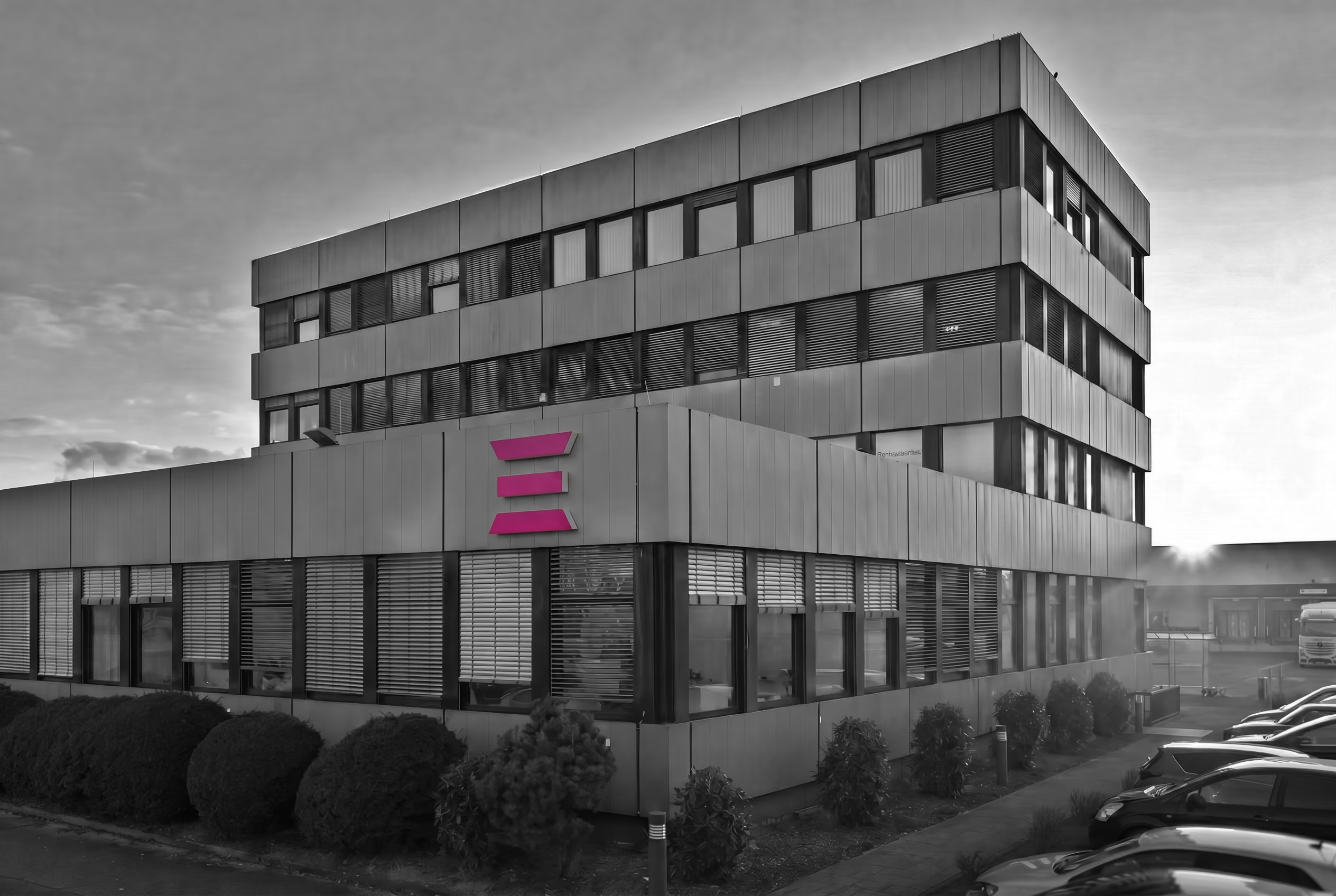
Built through real EV engineering experience
Renco is not a new team responding to electrification. It’s the result of more than a decade spent designing, integrating, and validating electric vehicle systems under real constraints.
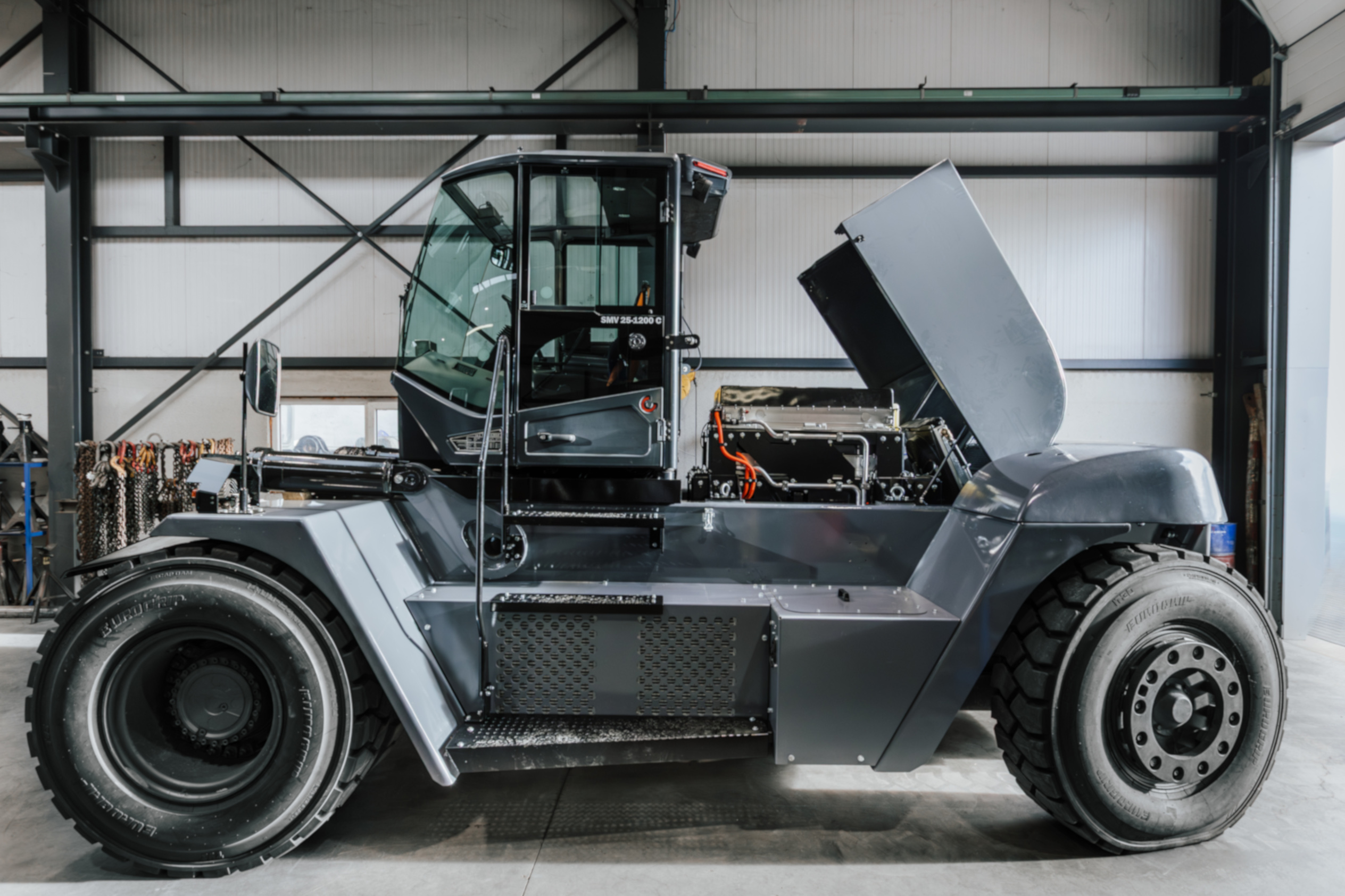

Since 2009, this team has worked across high-performance racing, commercial vehicles, specialty platforms, and infrastructure-linked EV systems. That experience shaped how renco approaches every program today: system first, methodical, and grounded in validation.
Electrification doesn’t fail because teams lack ambition. It fails when systems aren’t designed, integrated, and validated as a whole.
Renco exists to make EV systems behave predictably by addressing integration, control, and validation early, before complexity turns into risk.

Our engineering approach wasn’t learned in slides or frameworks. It was built through years of working on programs where behavior mattered, margins were tight, and failure had real consequences.
From racing environments to heavy-duty and commercial platforms, each project reinforced the same truth: system behavior only becomes reliable when architecture, controls, and validation are treated as one.

Programs that demanded real system behavior
Over the years, the team behind renco has contributed to a wide range of EV programs.
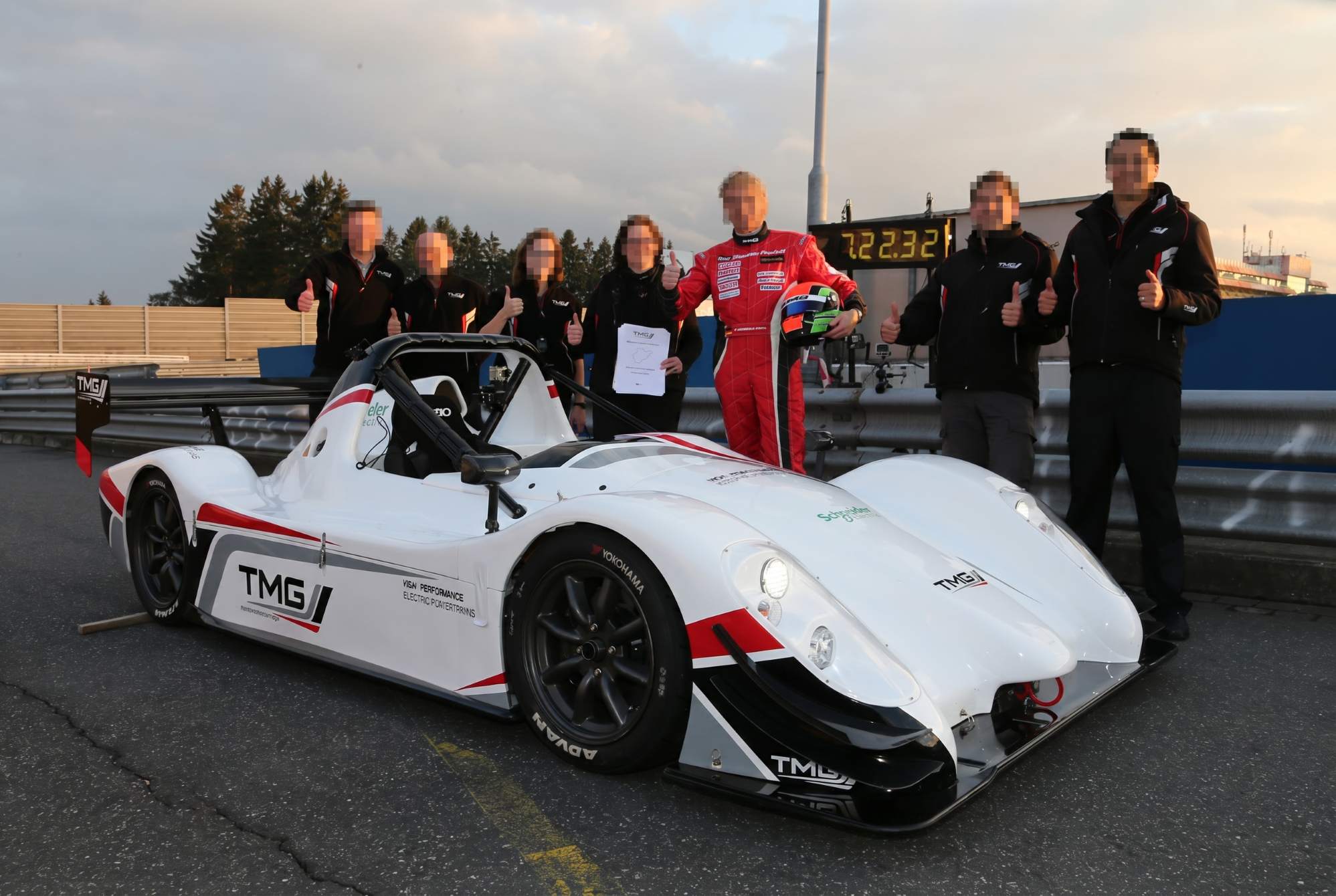
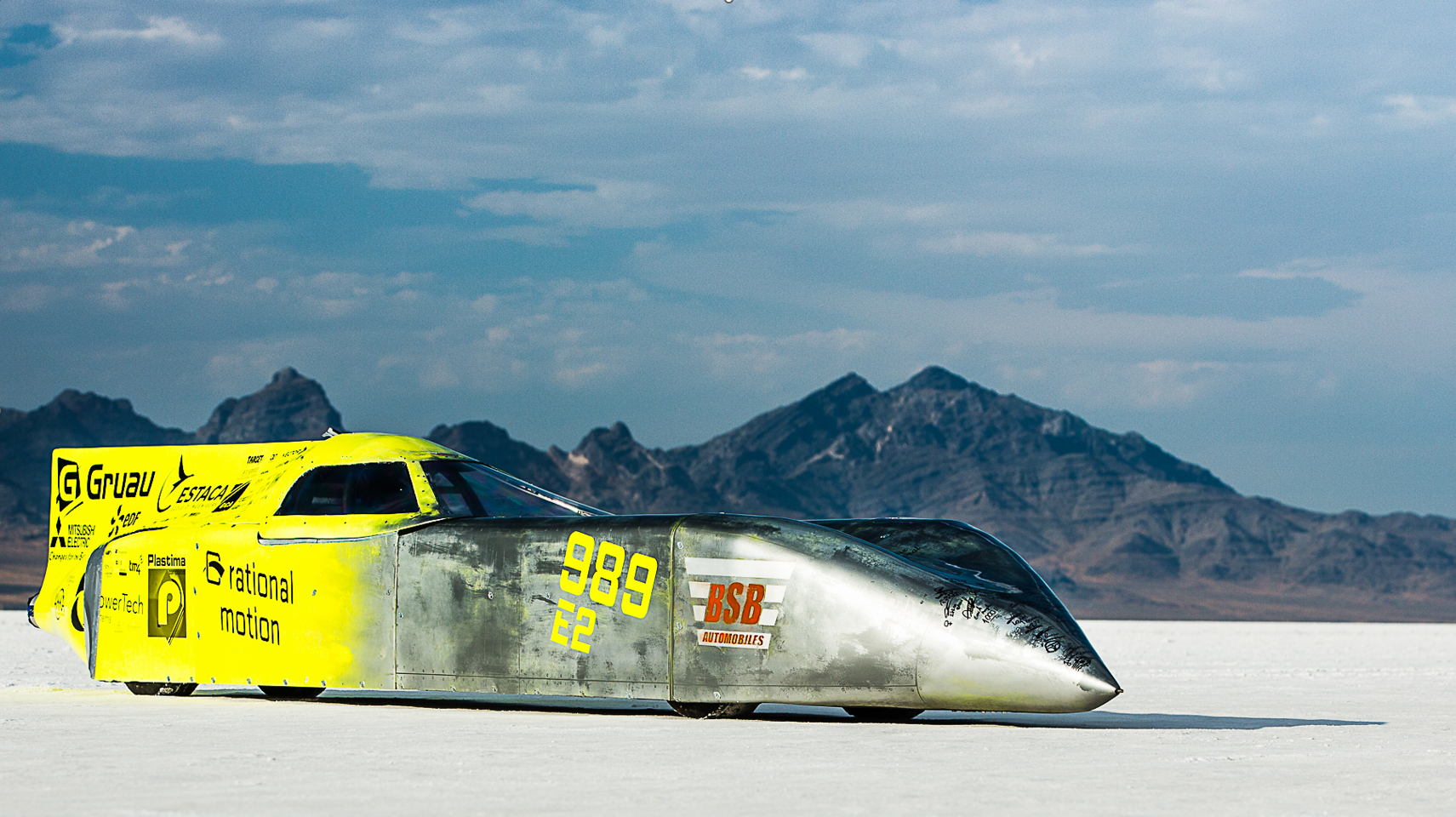
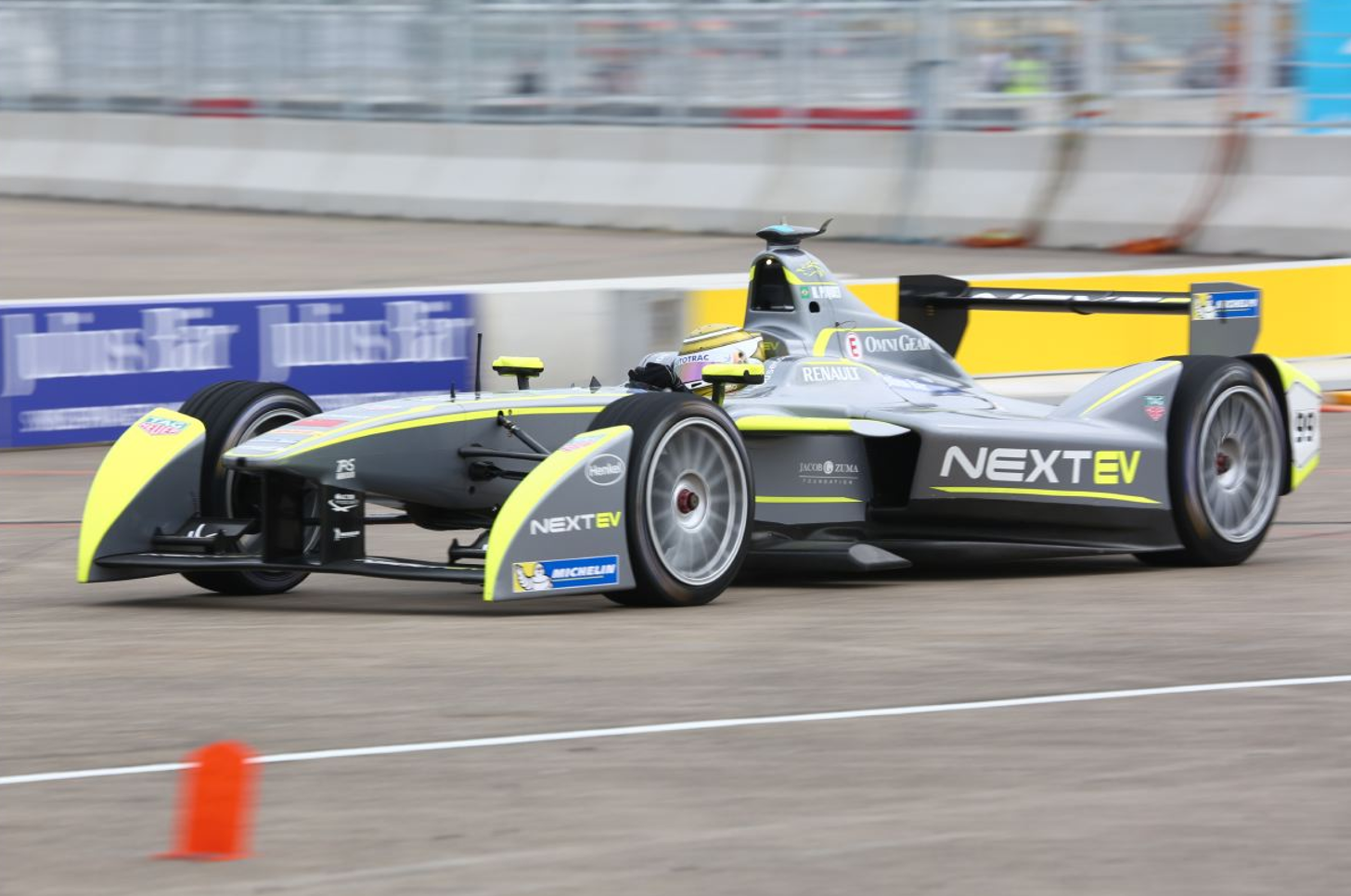
Formula E and High-performance electric racing platforms

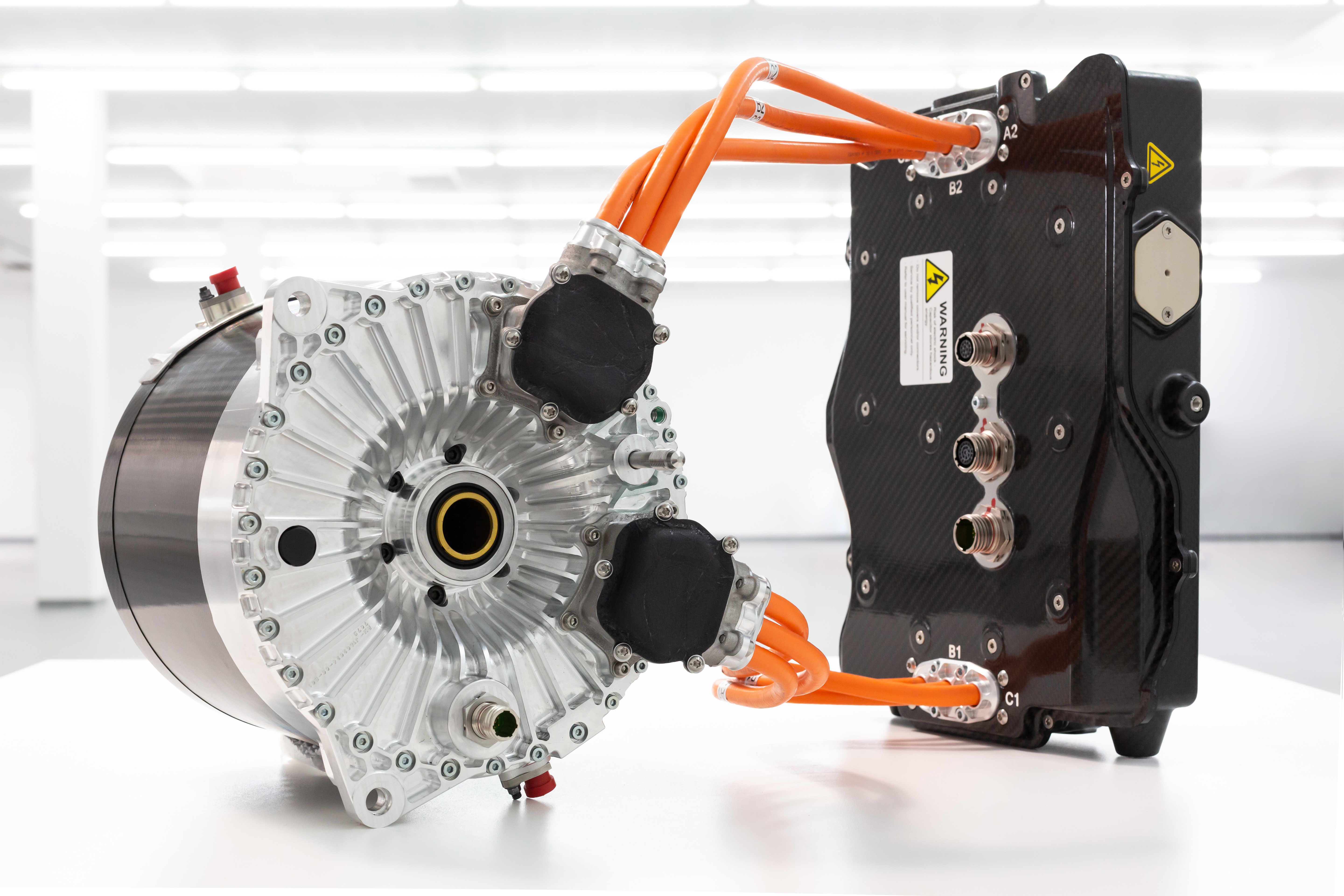
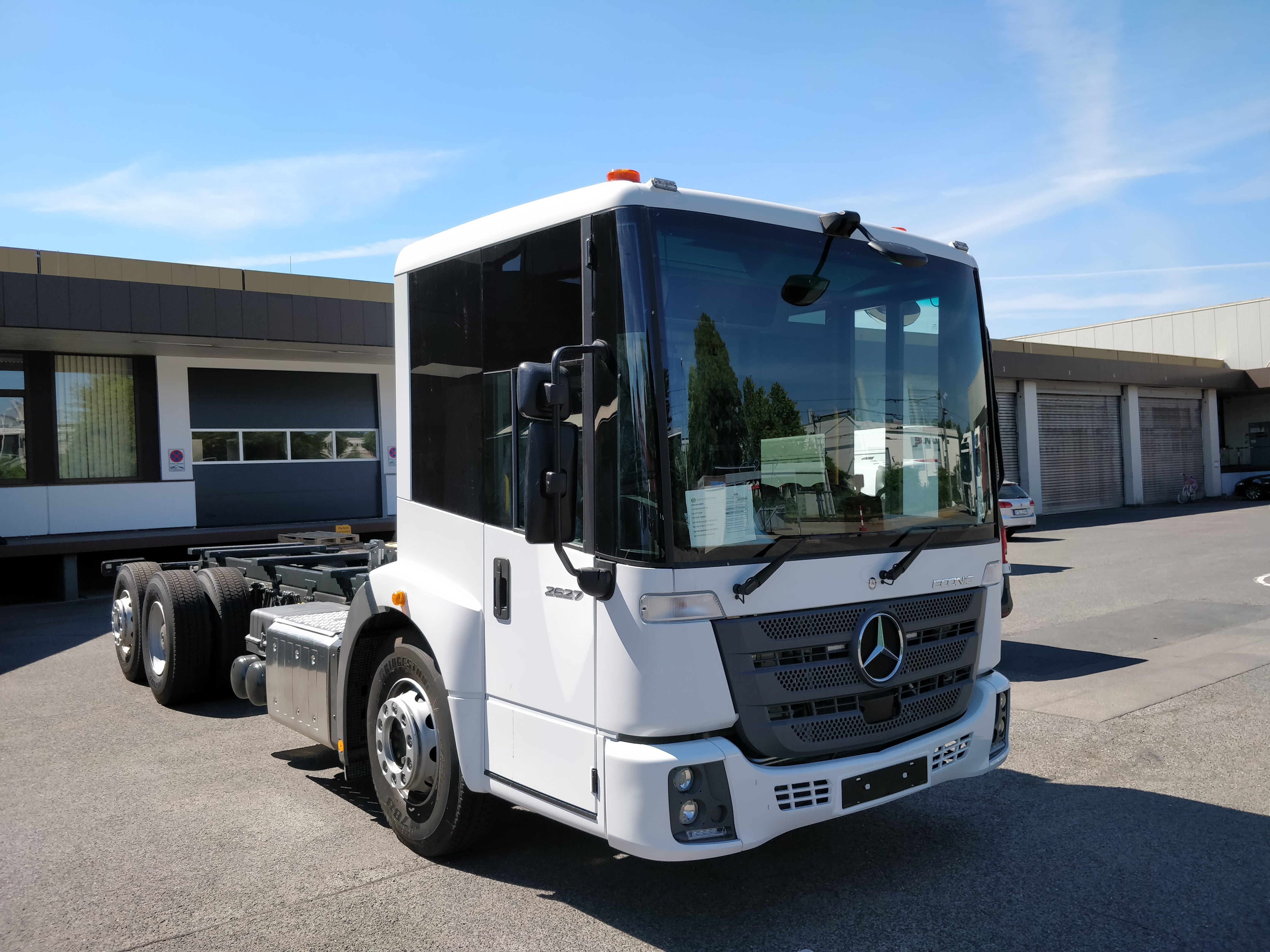
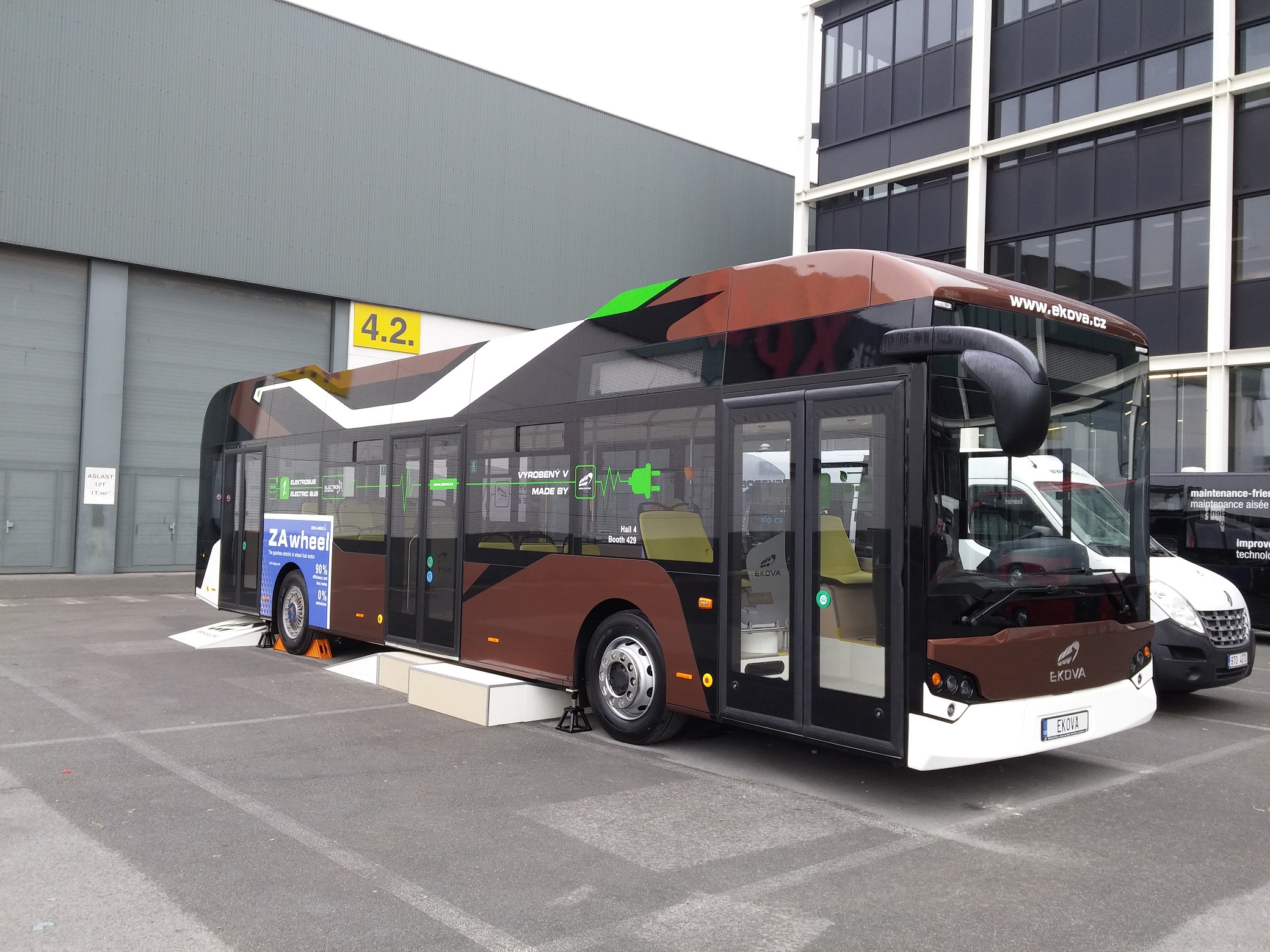
Commercial and industrial electric vehicles
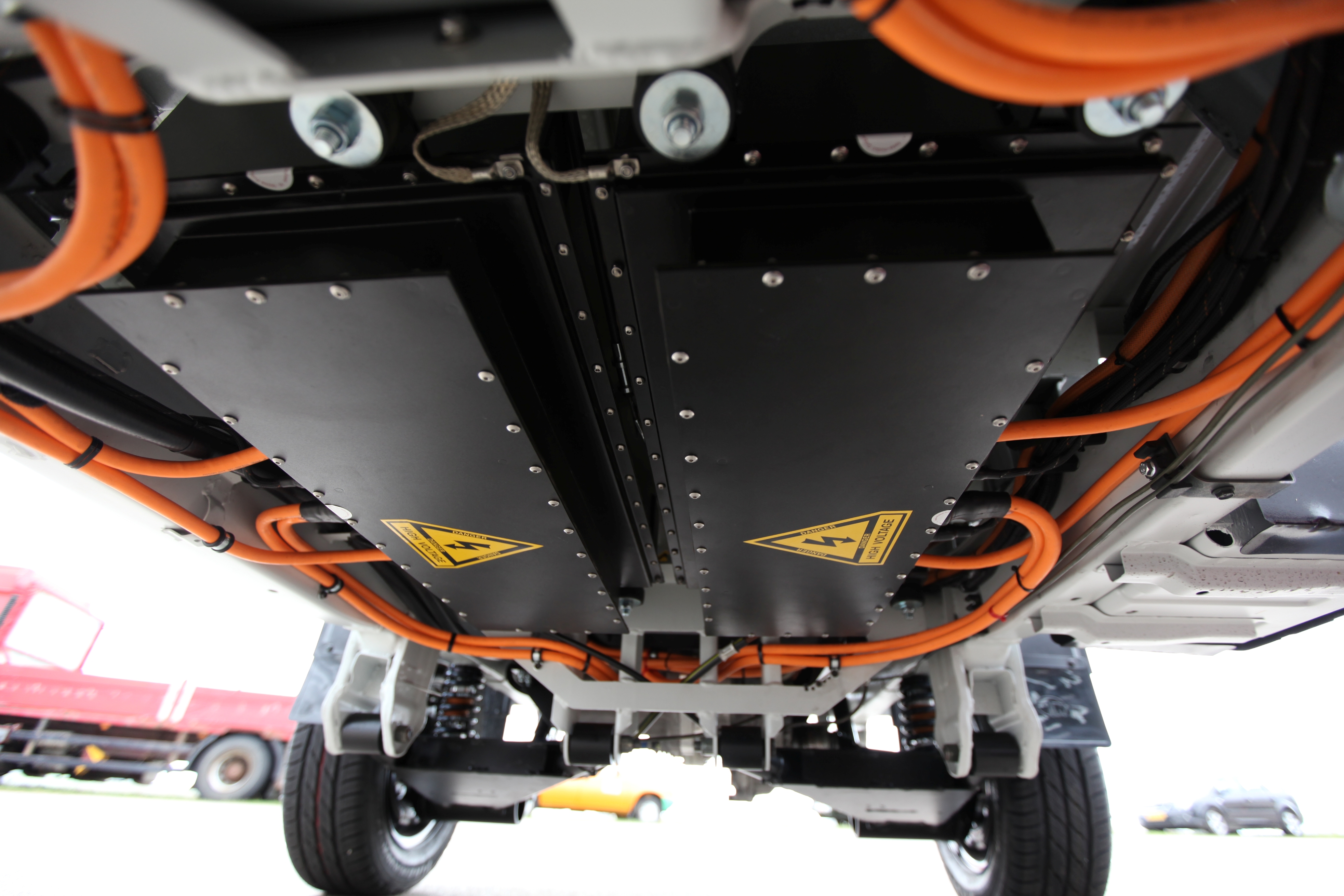
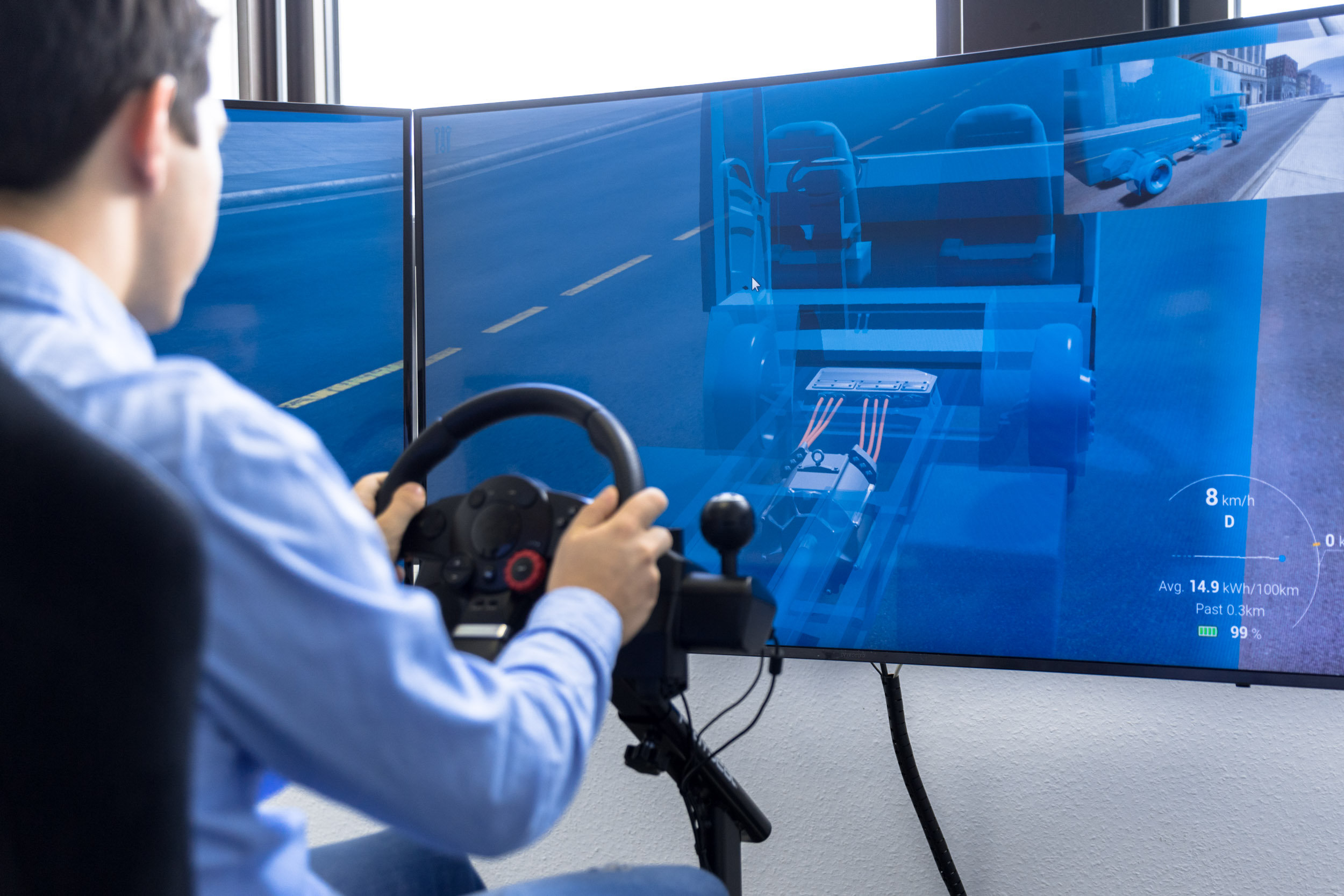
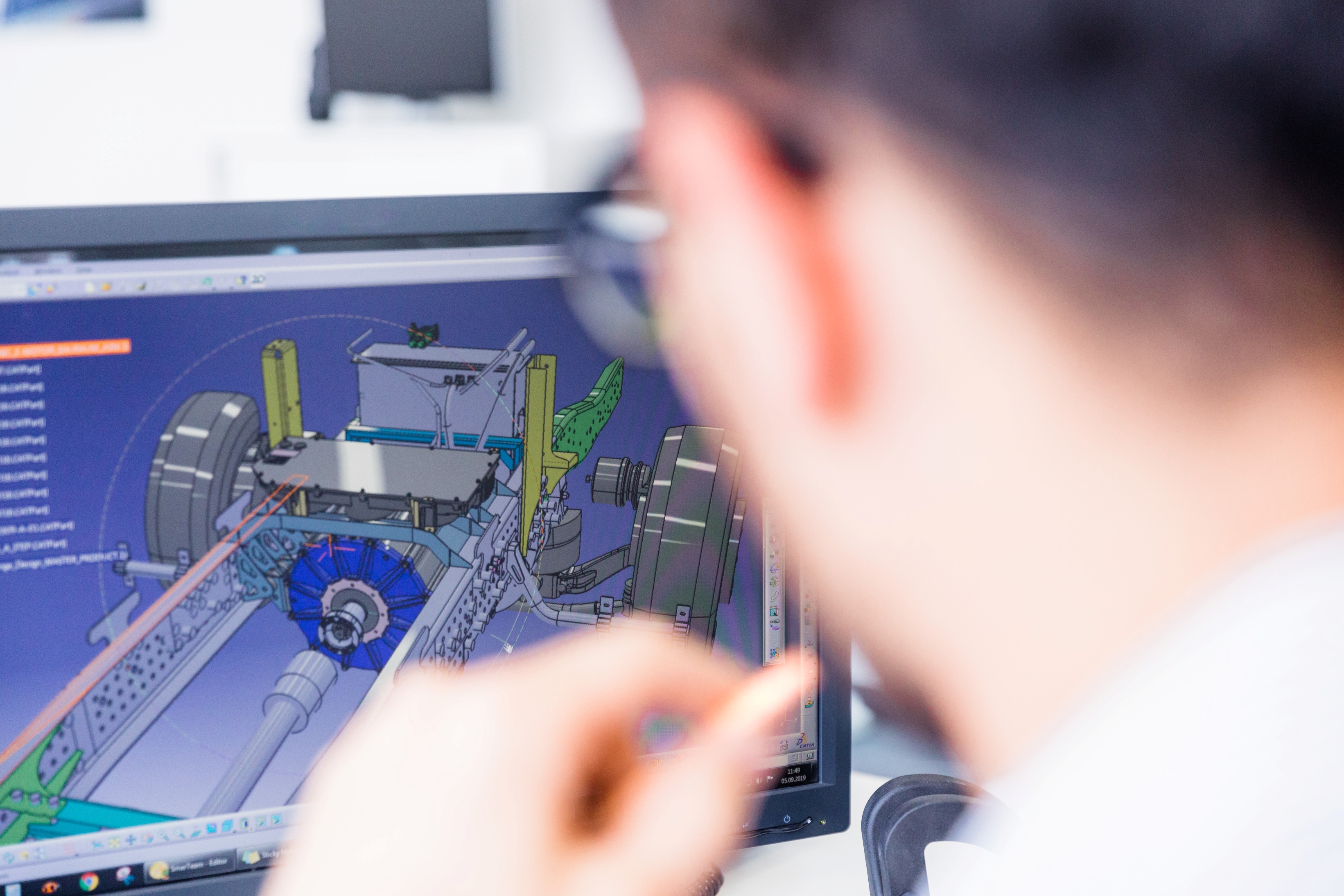
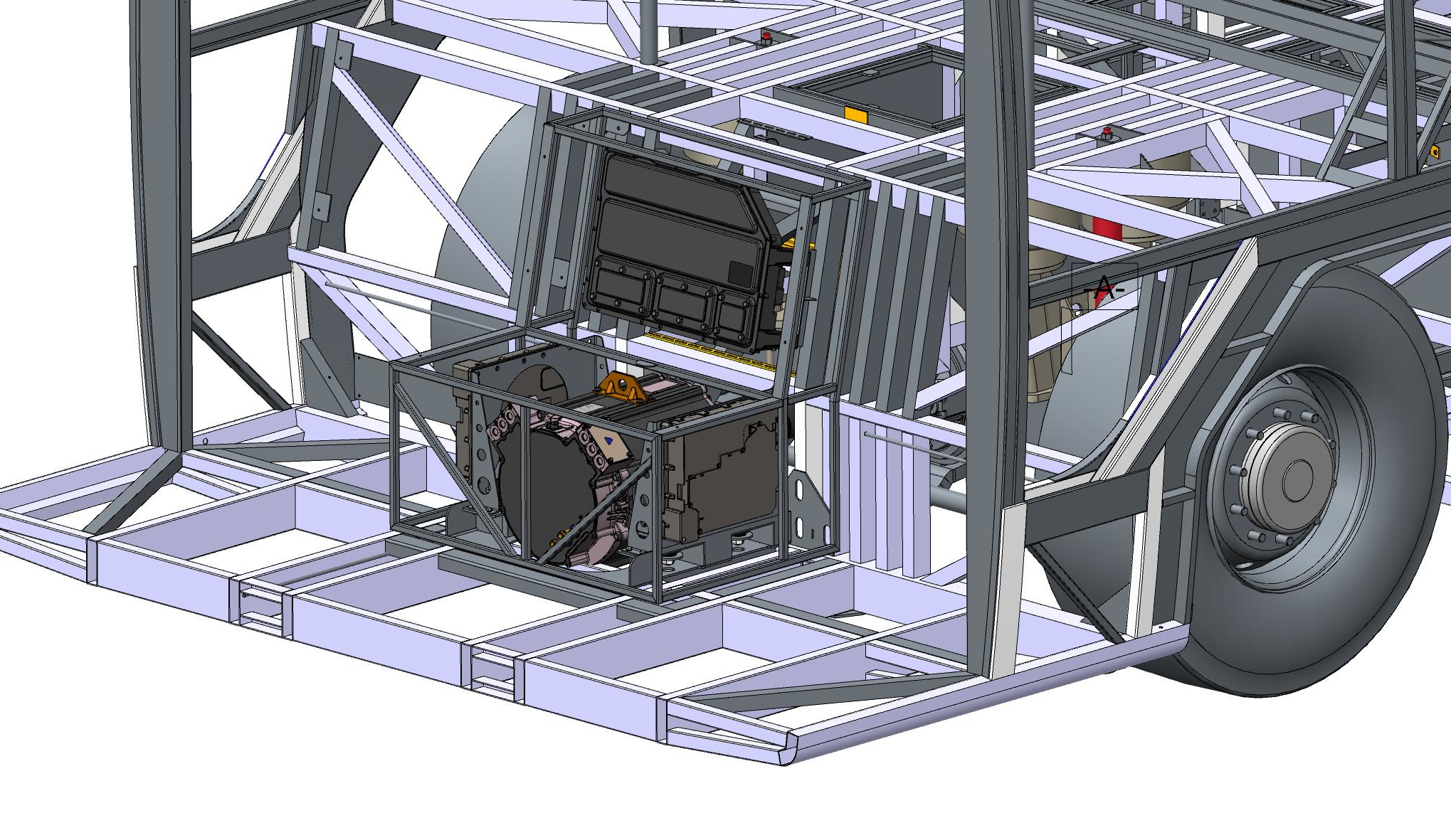
Speciality and utility EV platforms

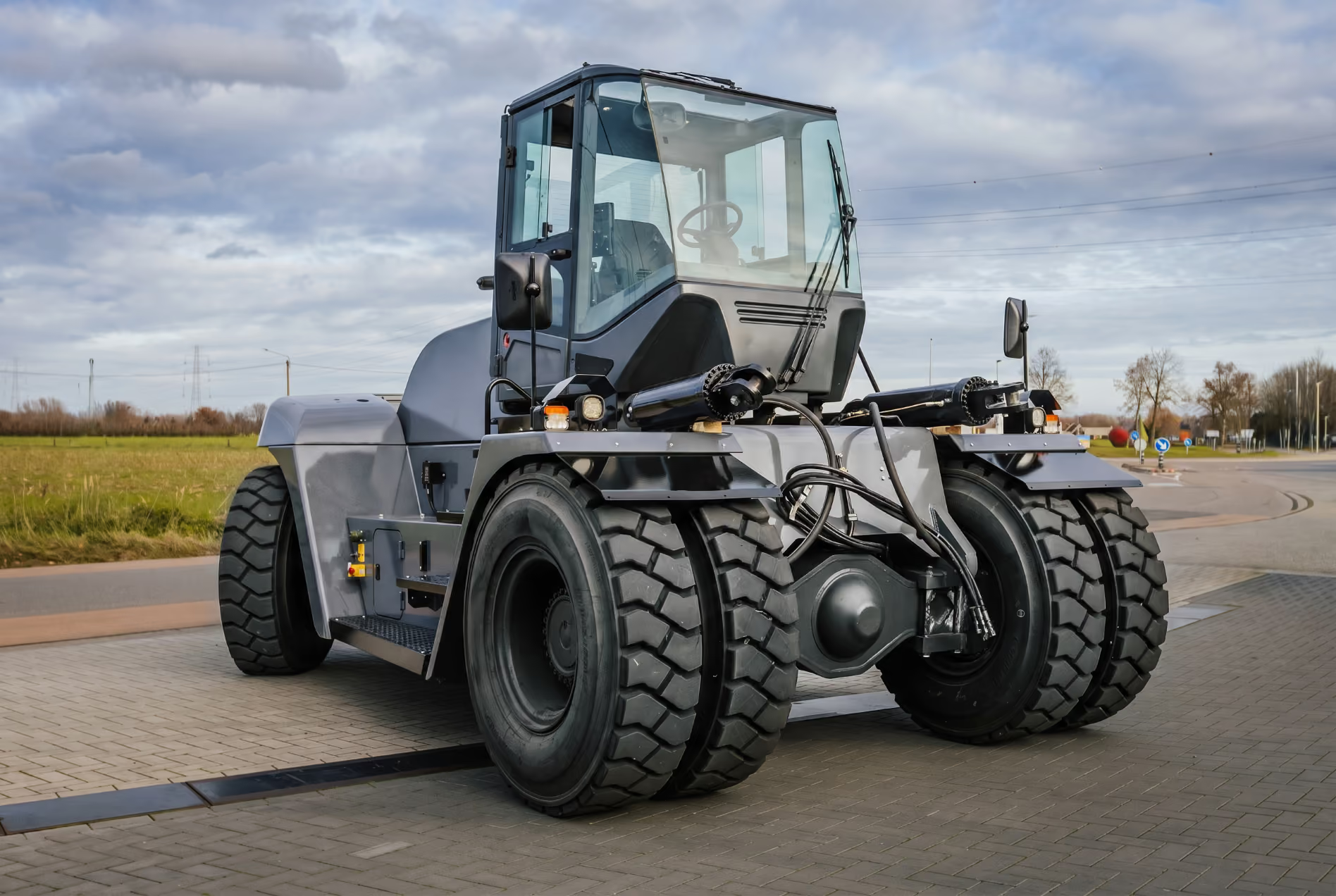
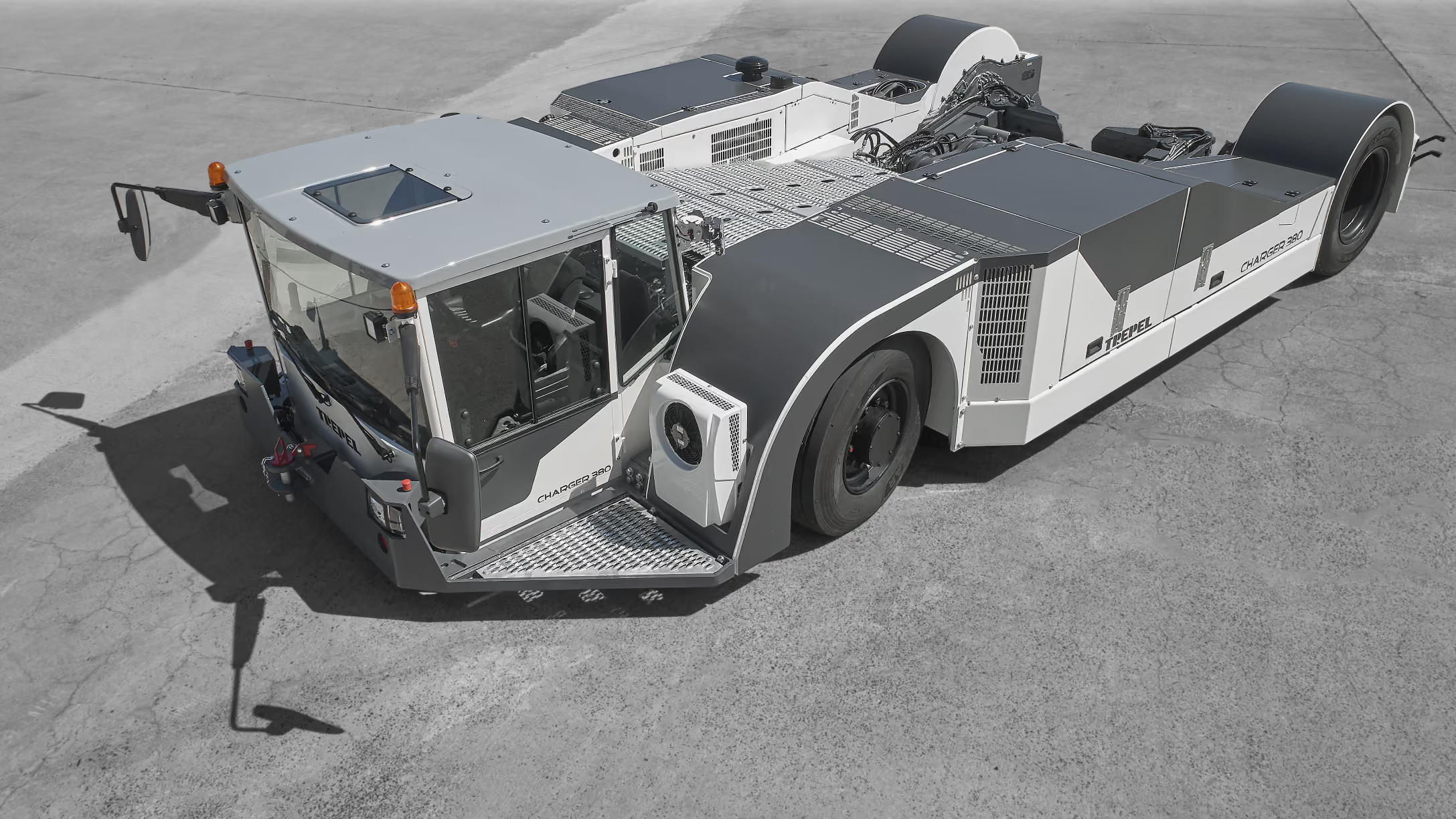

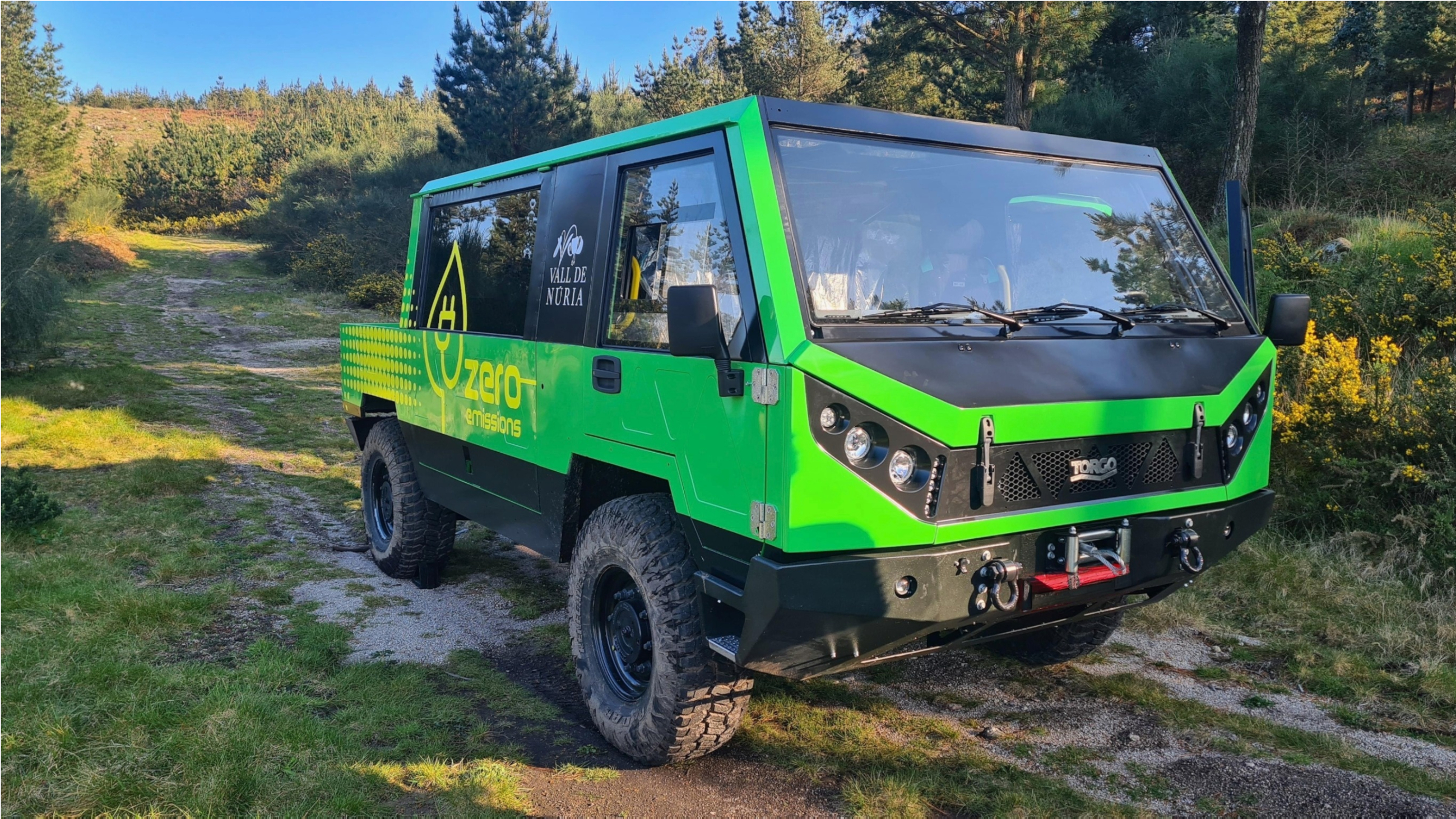

Charging, power distribution, and system control development
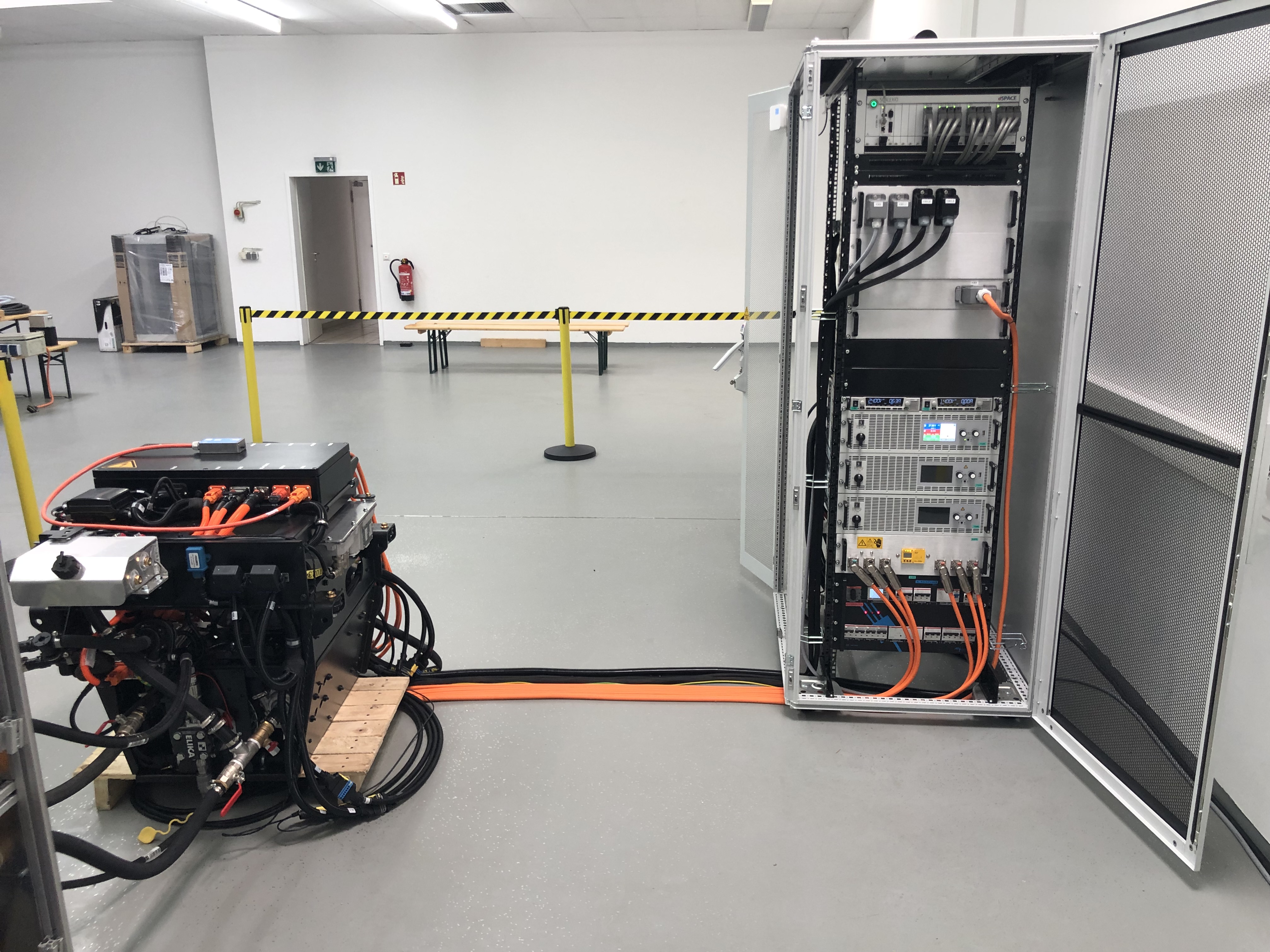
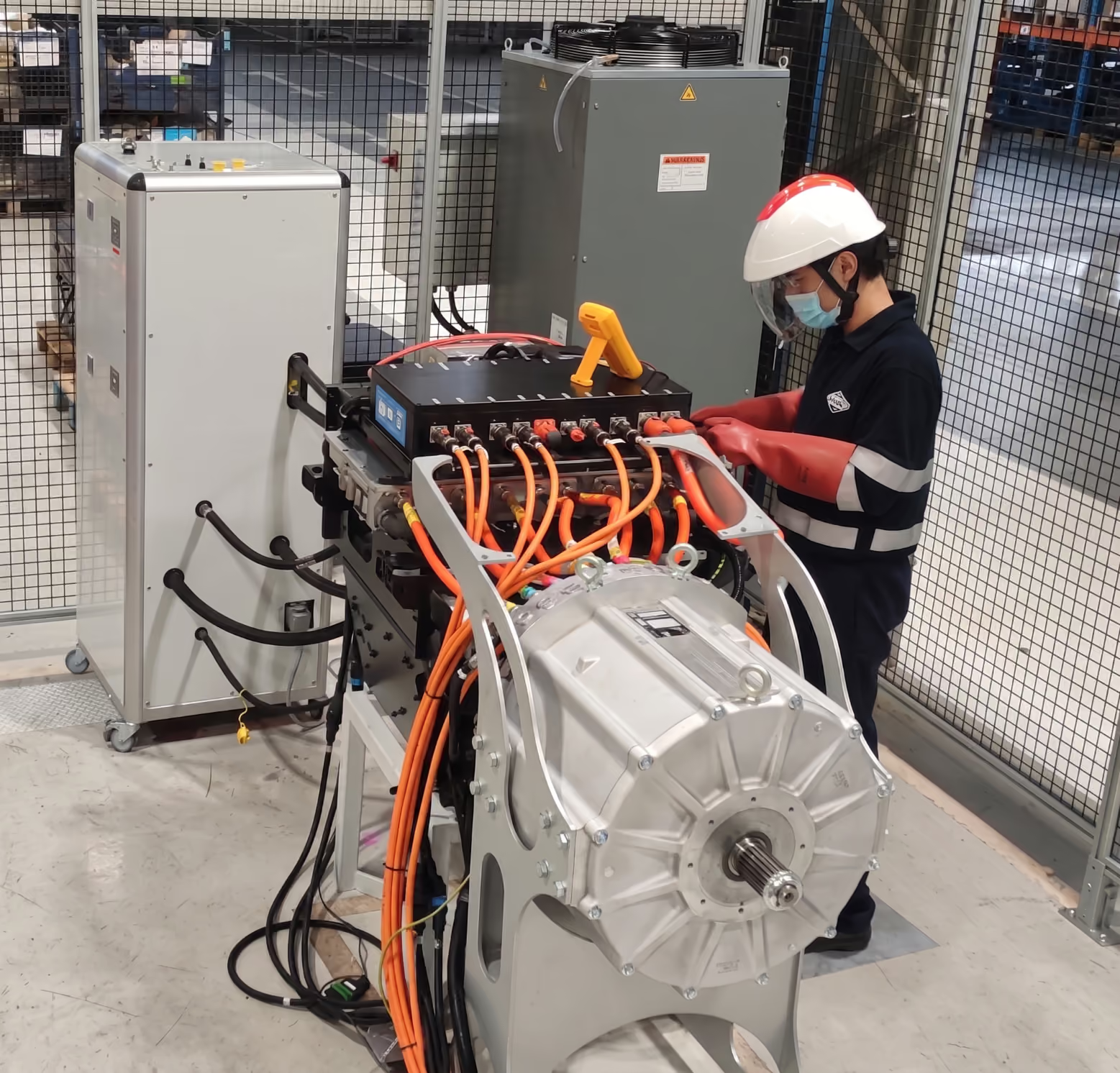
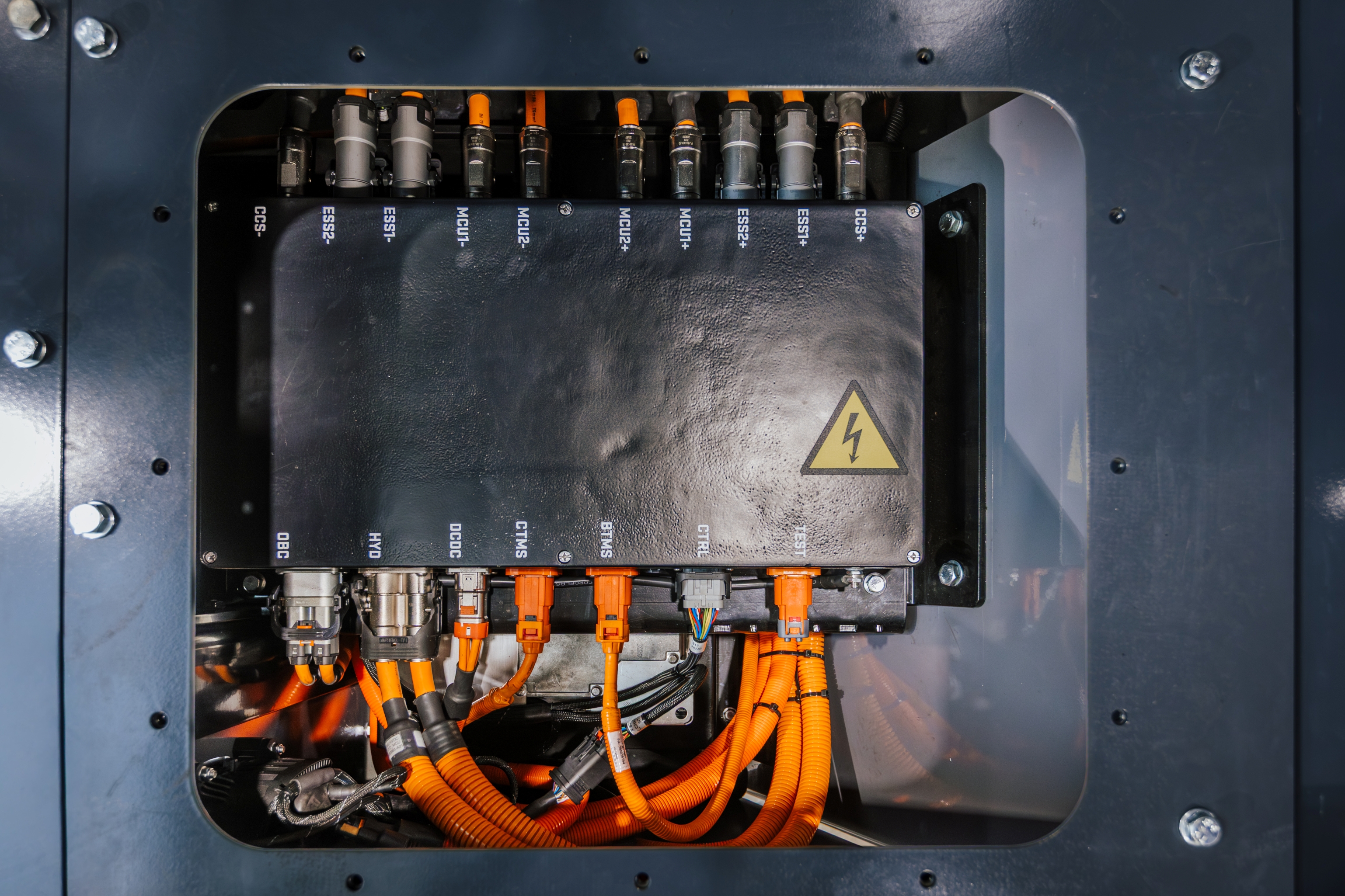
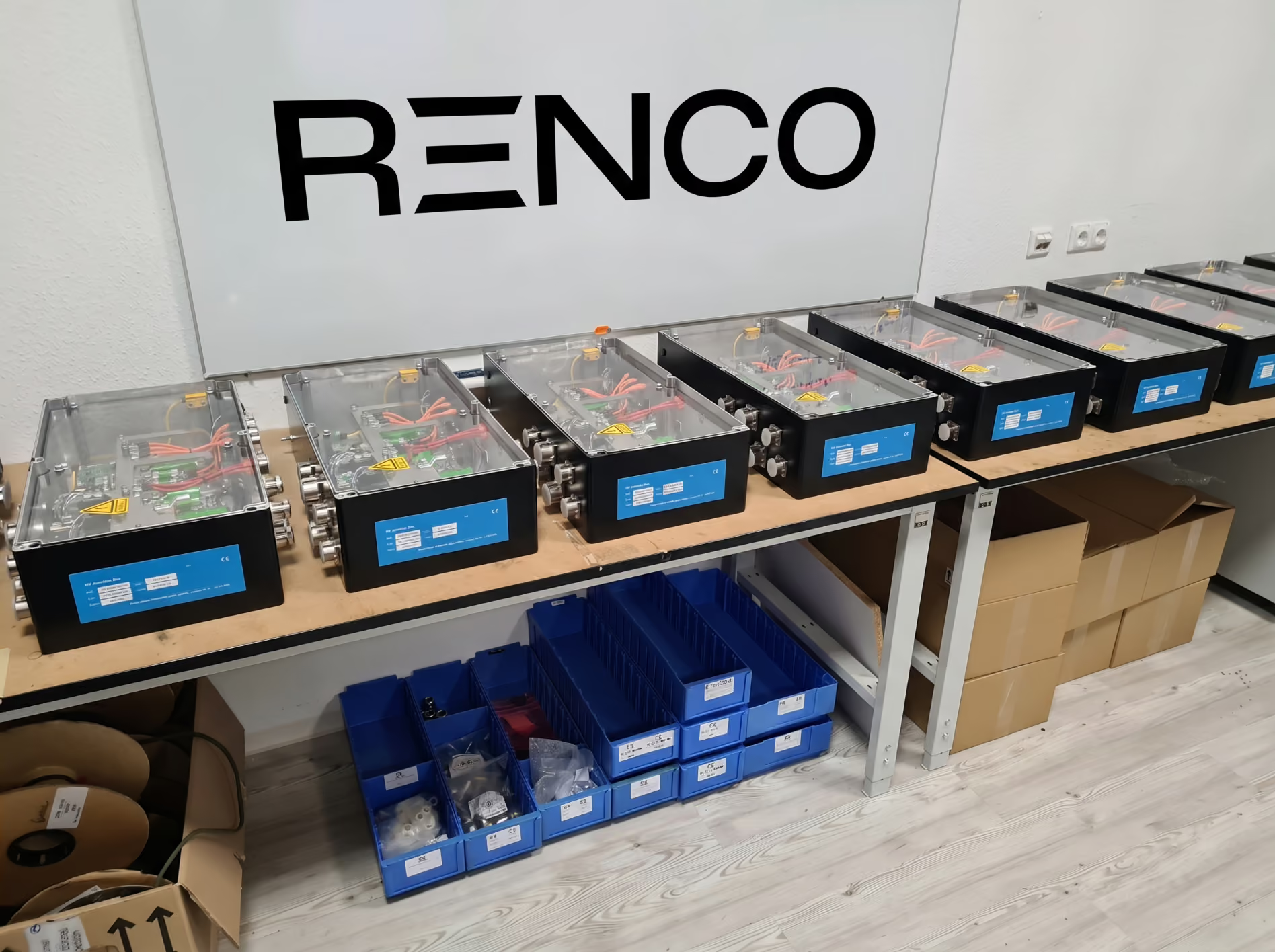
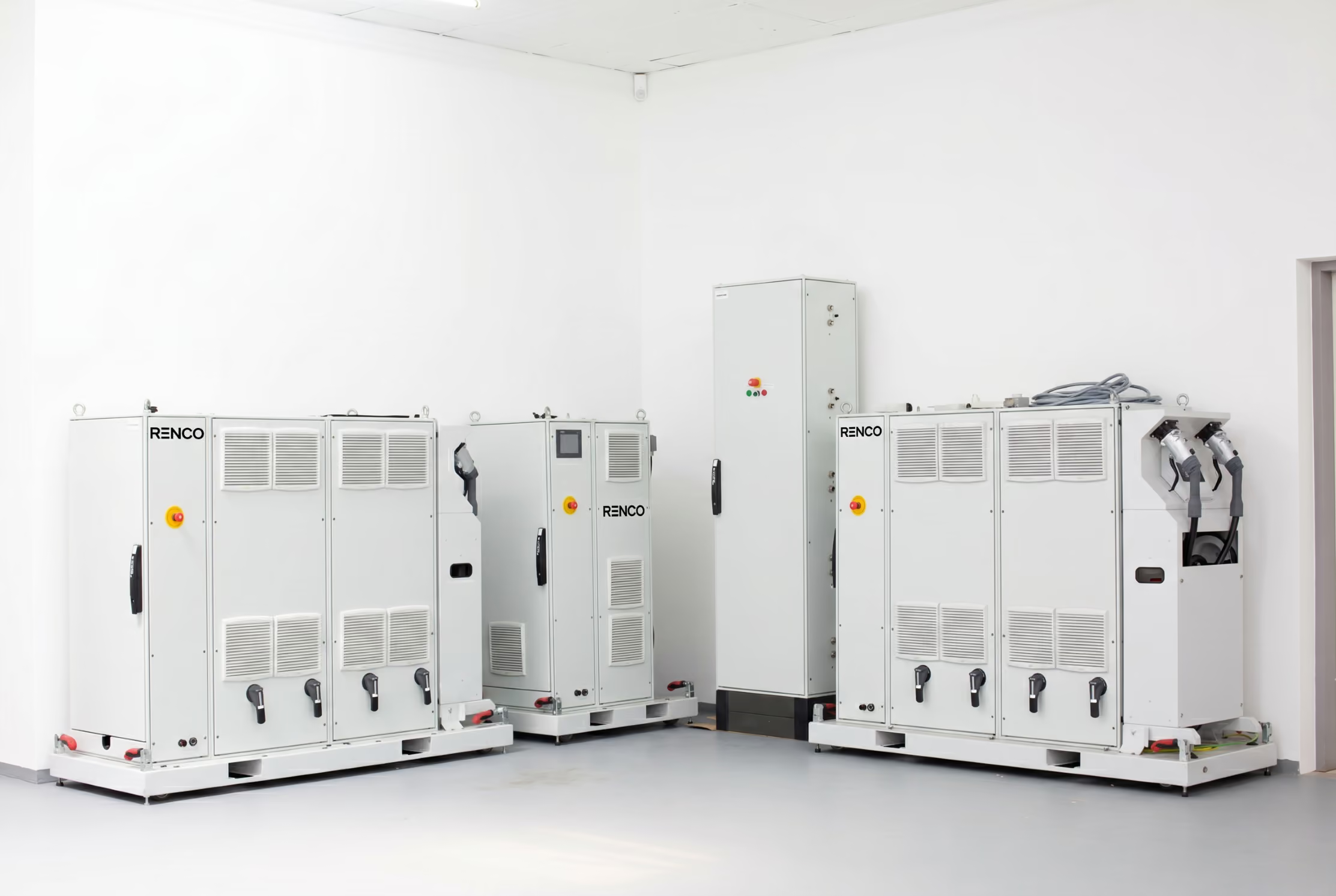
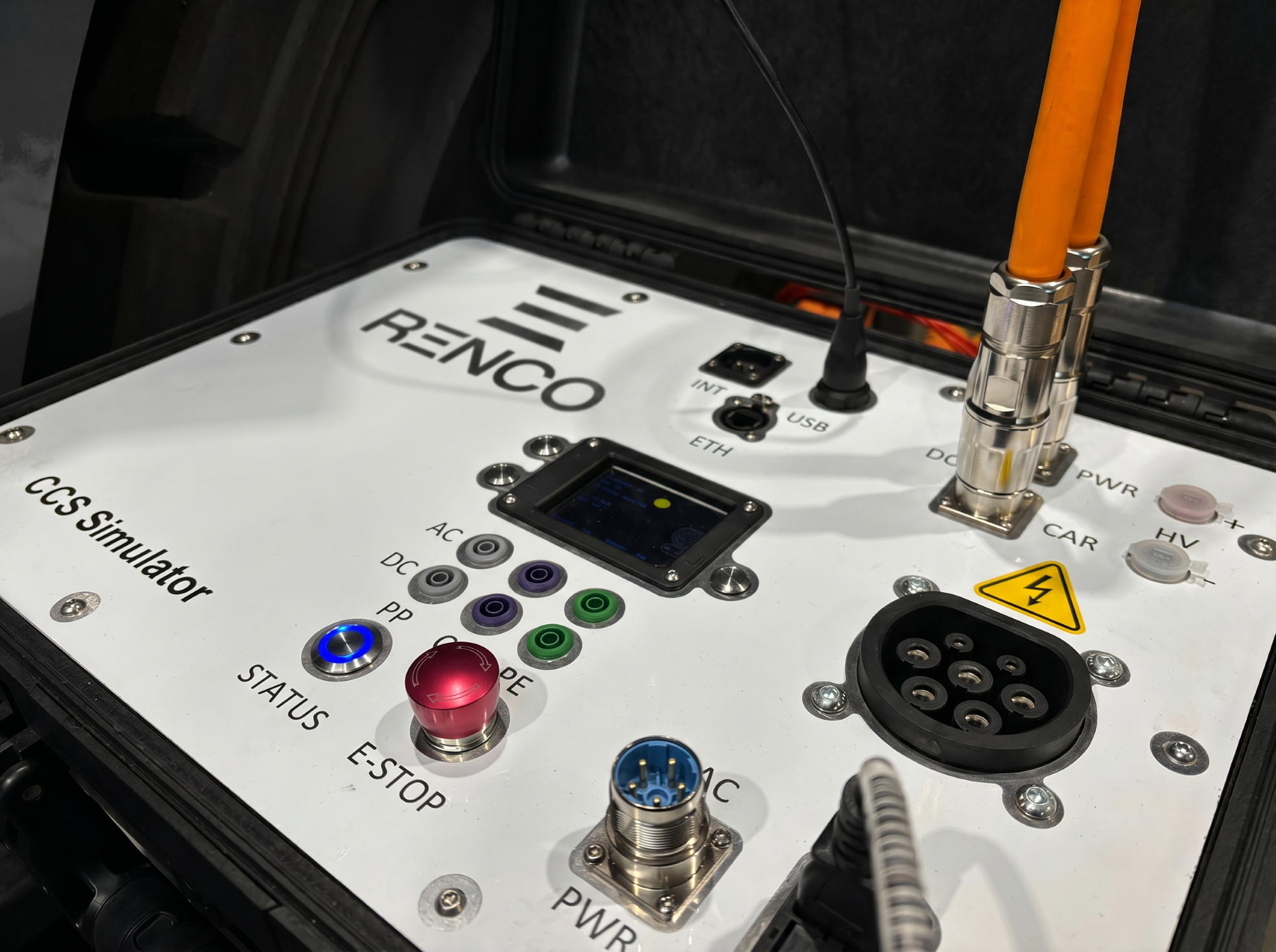
Complex system integration and validation environments
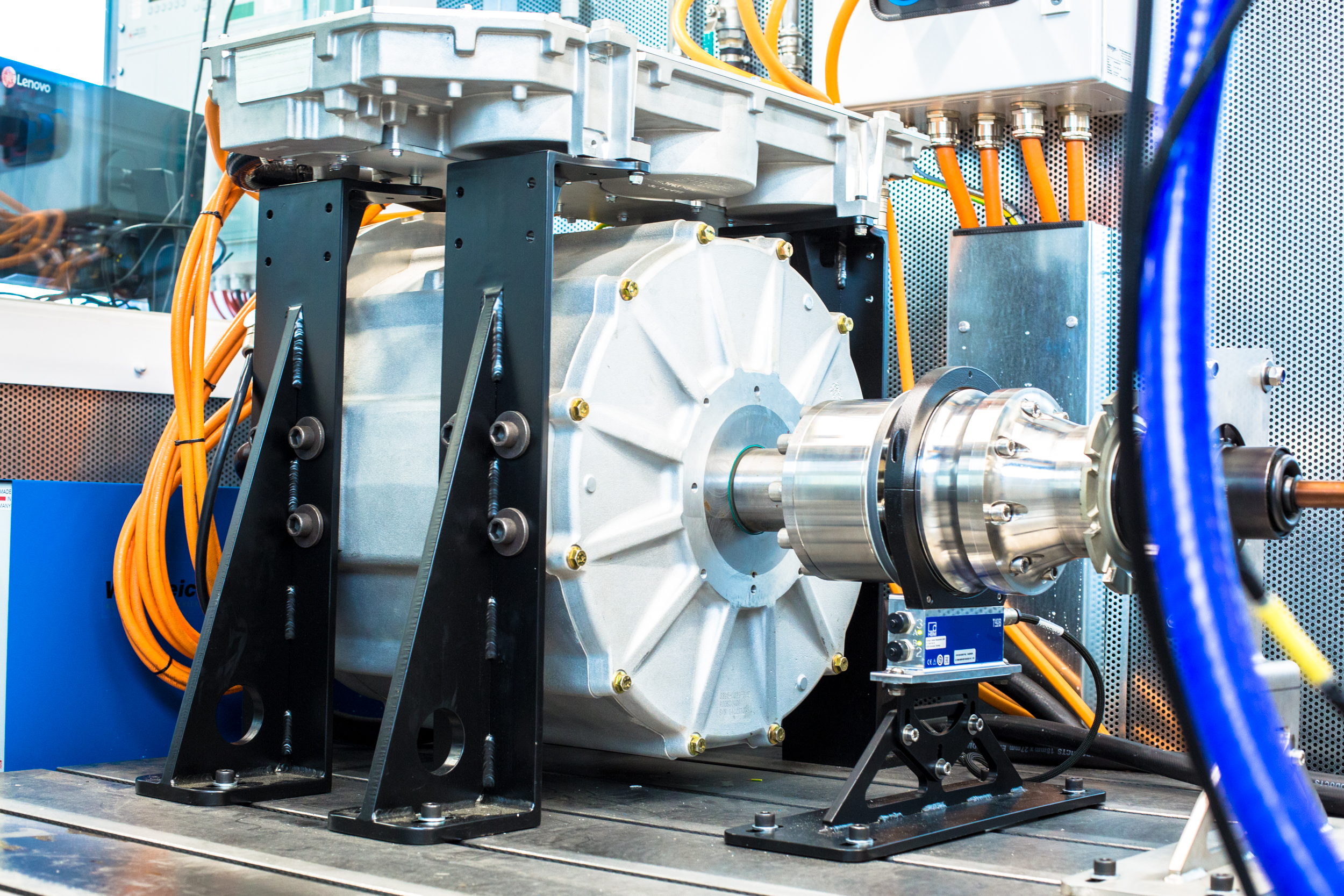
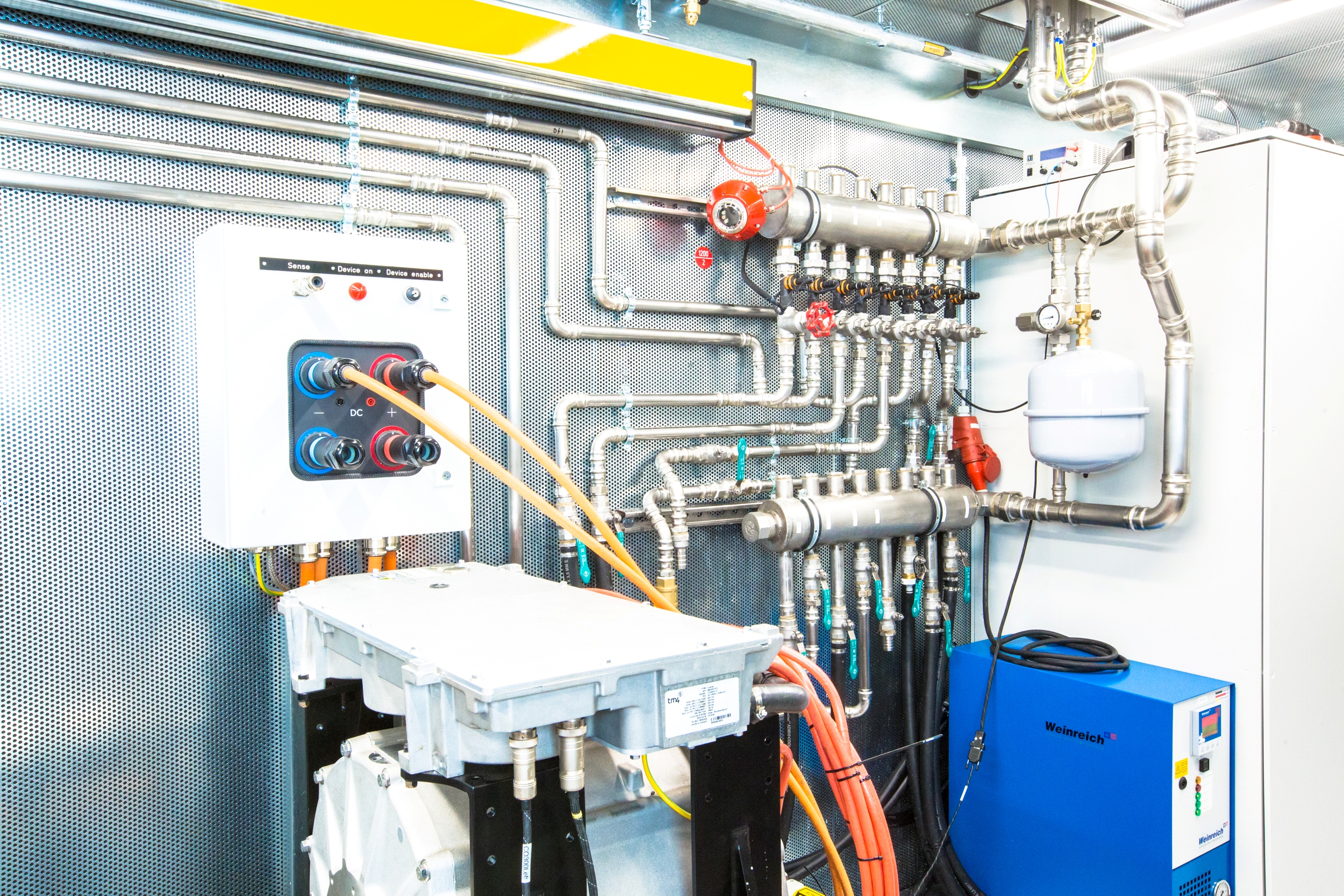
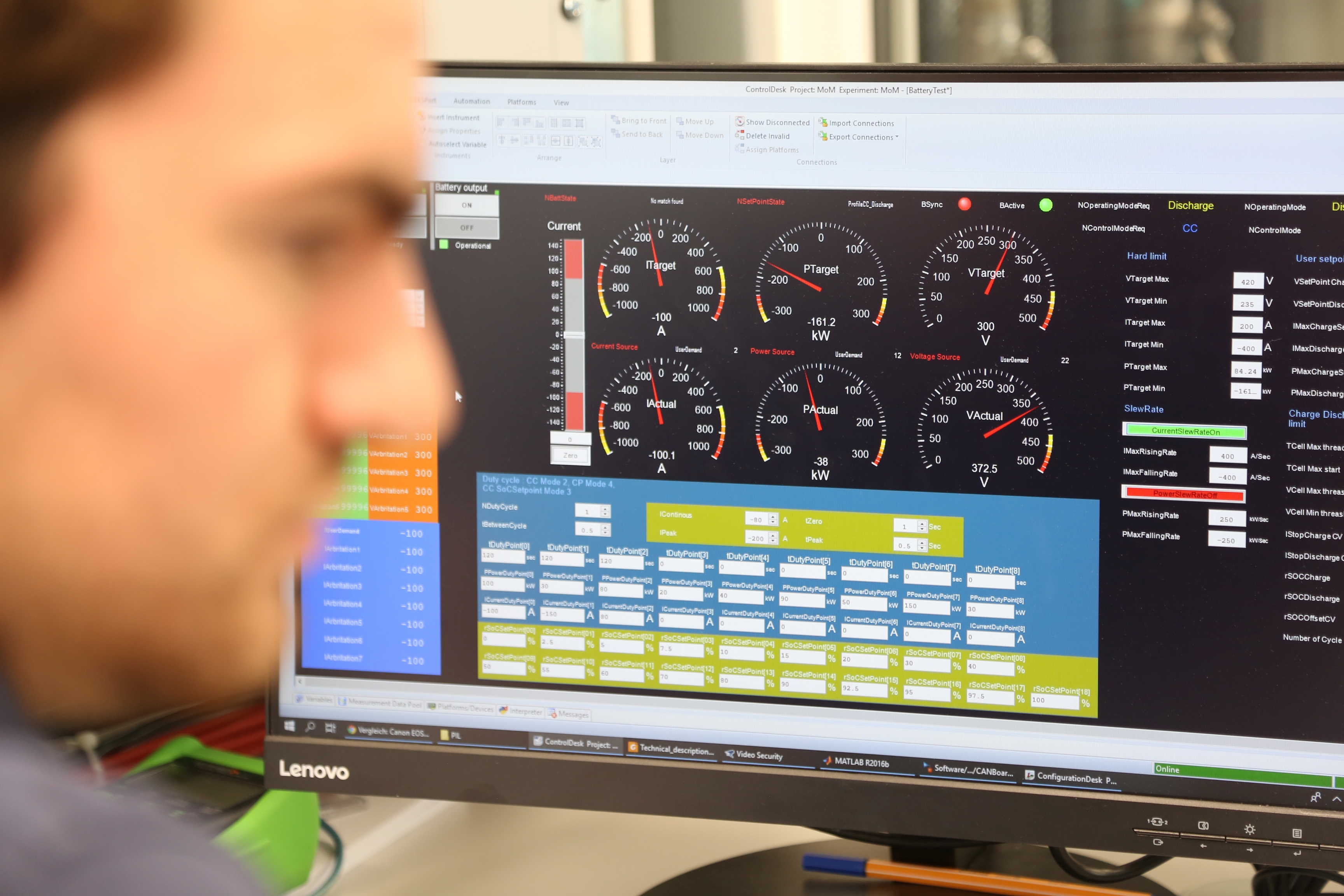
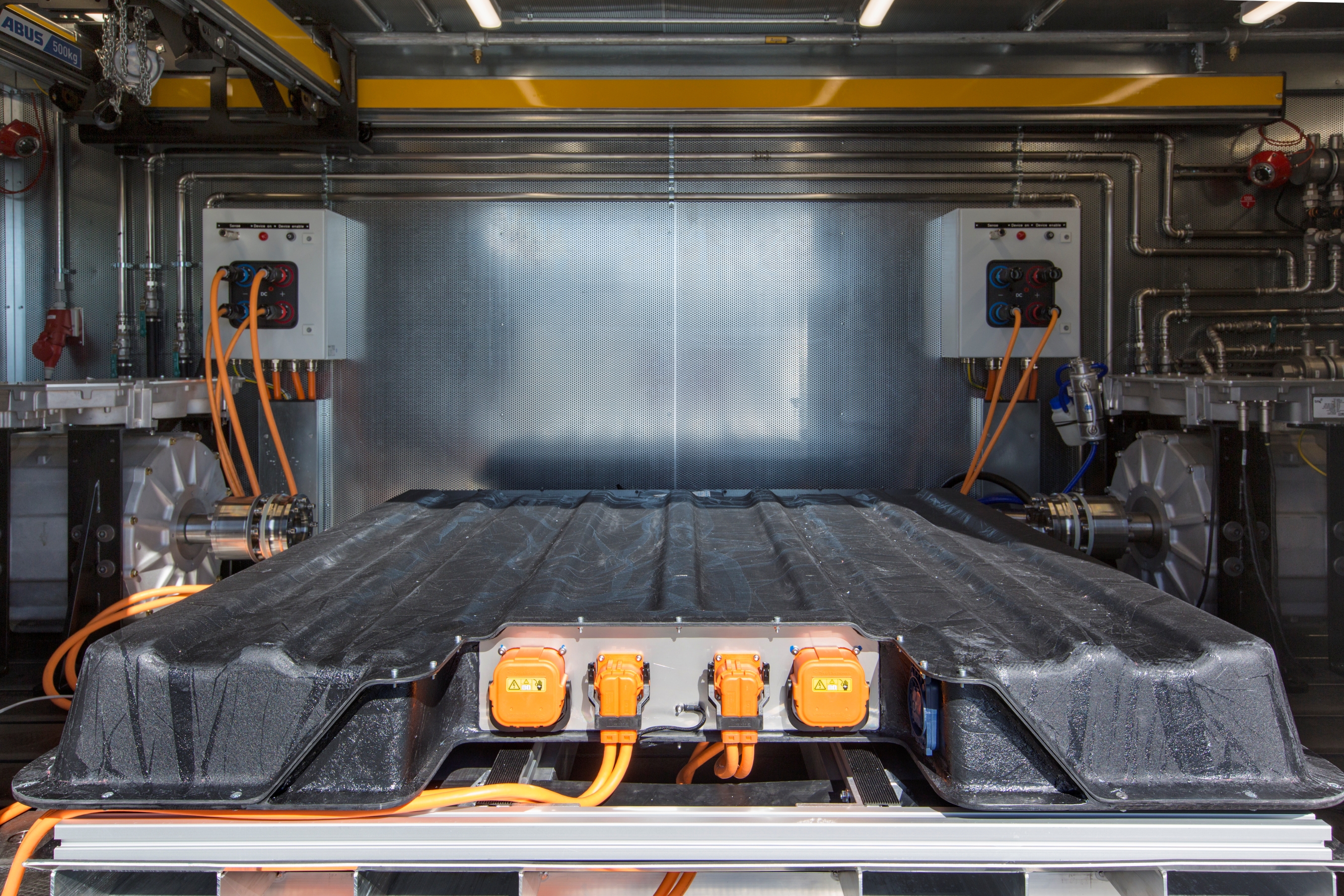

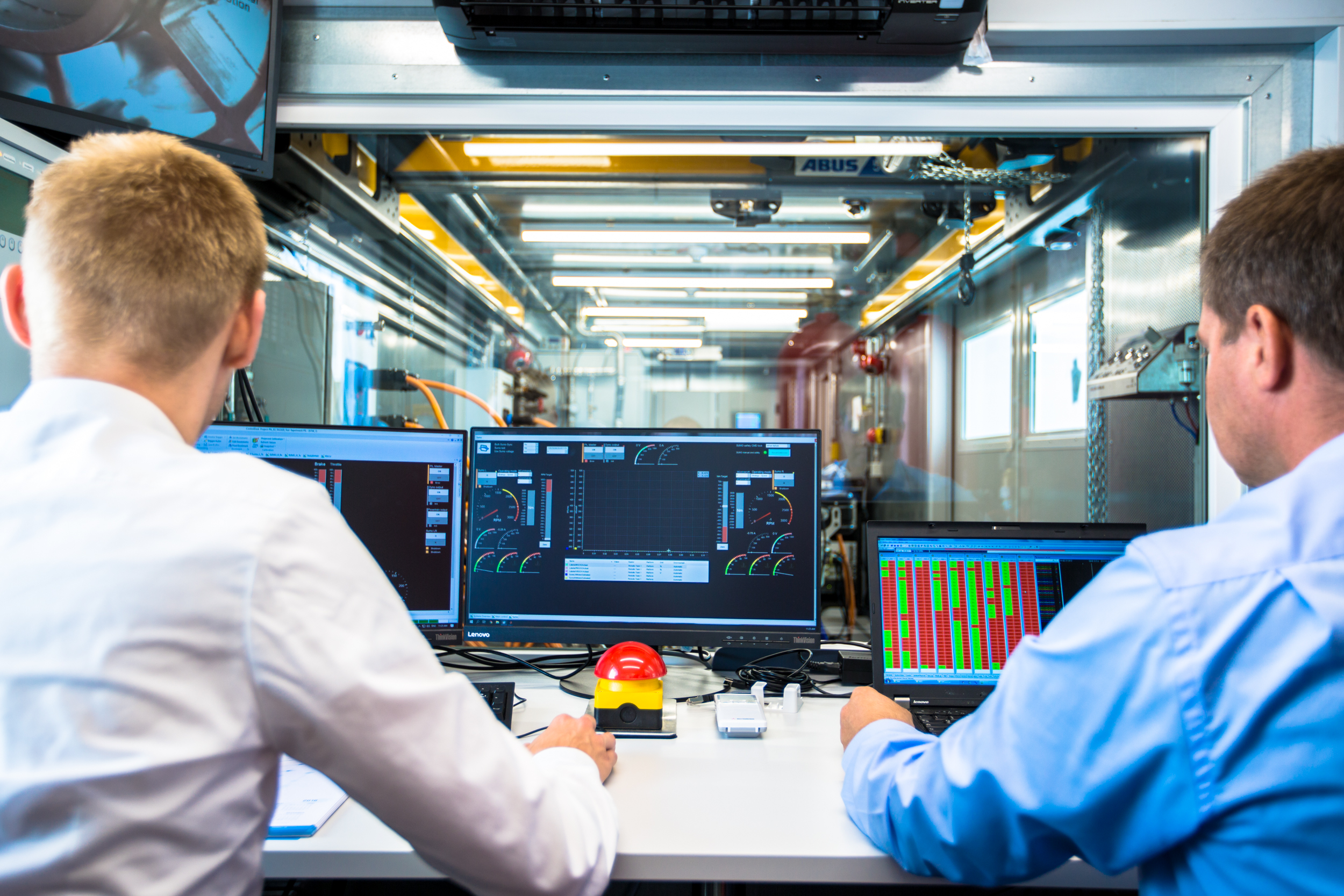
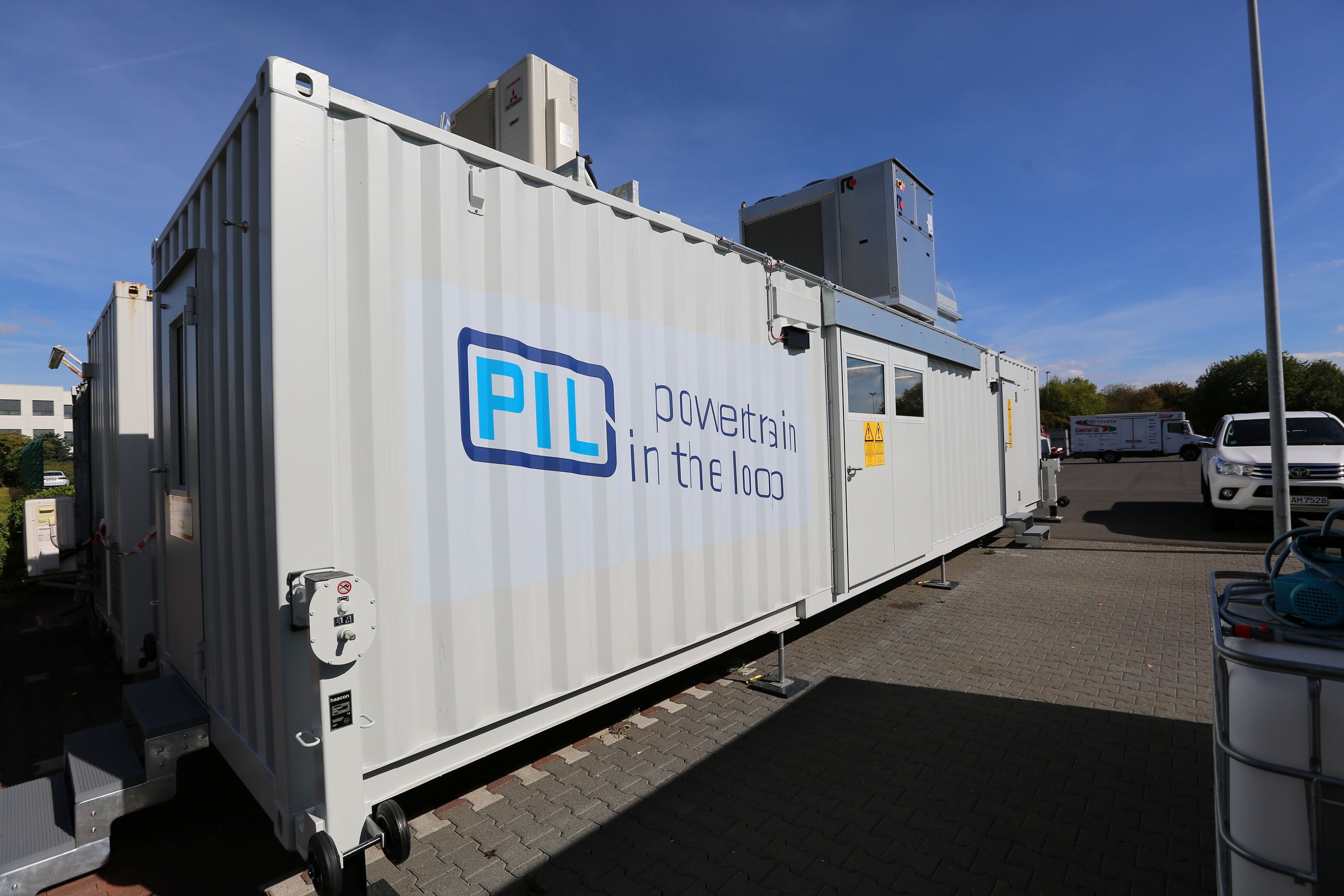
These programs required tight control over system behavior, clear ownership across interfaces, and disciplined validation to move forward. That experience is embedded in how renco works today.
What that history changed in how we work
Years of hands-on EV engineering shaped a clear operating philosophy.
This is not process for its own sake. It’s a response to what complex EV programs actually demand.

Start with the full system, not isolated components
Make ownership and interfaces explicit early
Treat control software as system behavior, not just code
Validate early to reduce late-stage surprises
Design decisions to hold up over time, not just hit milestones
Talk to engineers who’ve been here before
If you’re responsible for an EV program and want to reduce uncertainty before it becomes risk, let’s talk.
We’ll review your system reality and outline a clear, feasible next step.